Introduction to Tajweed
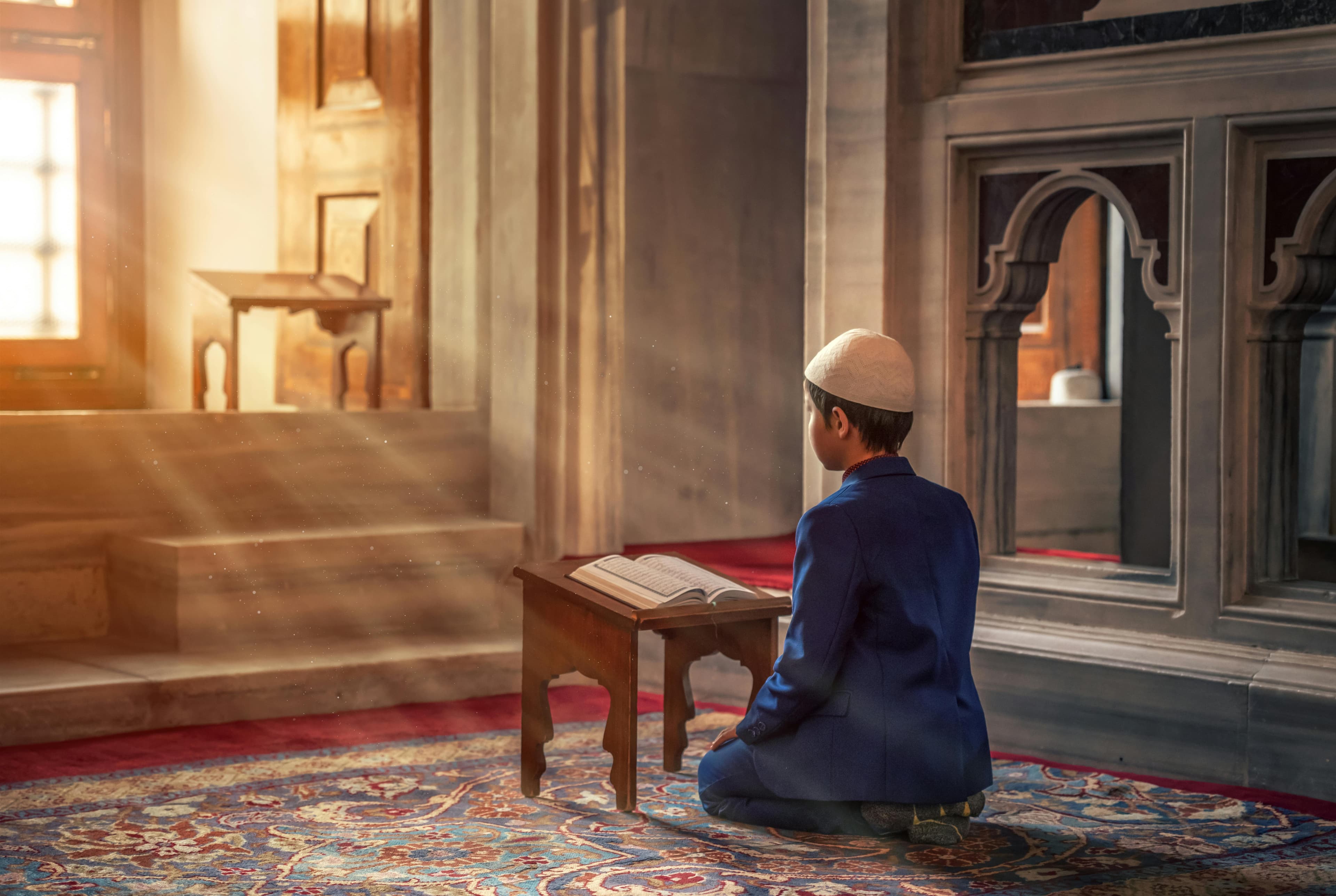
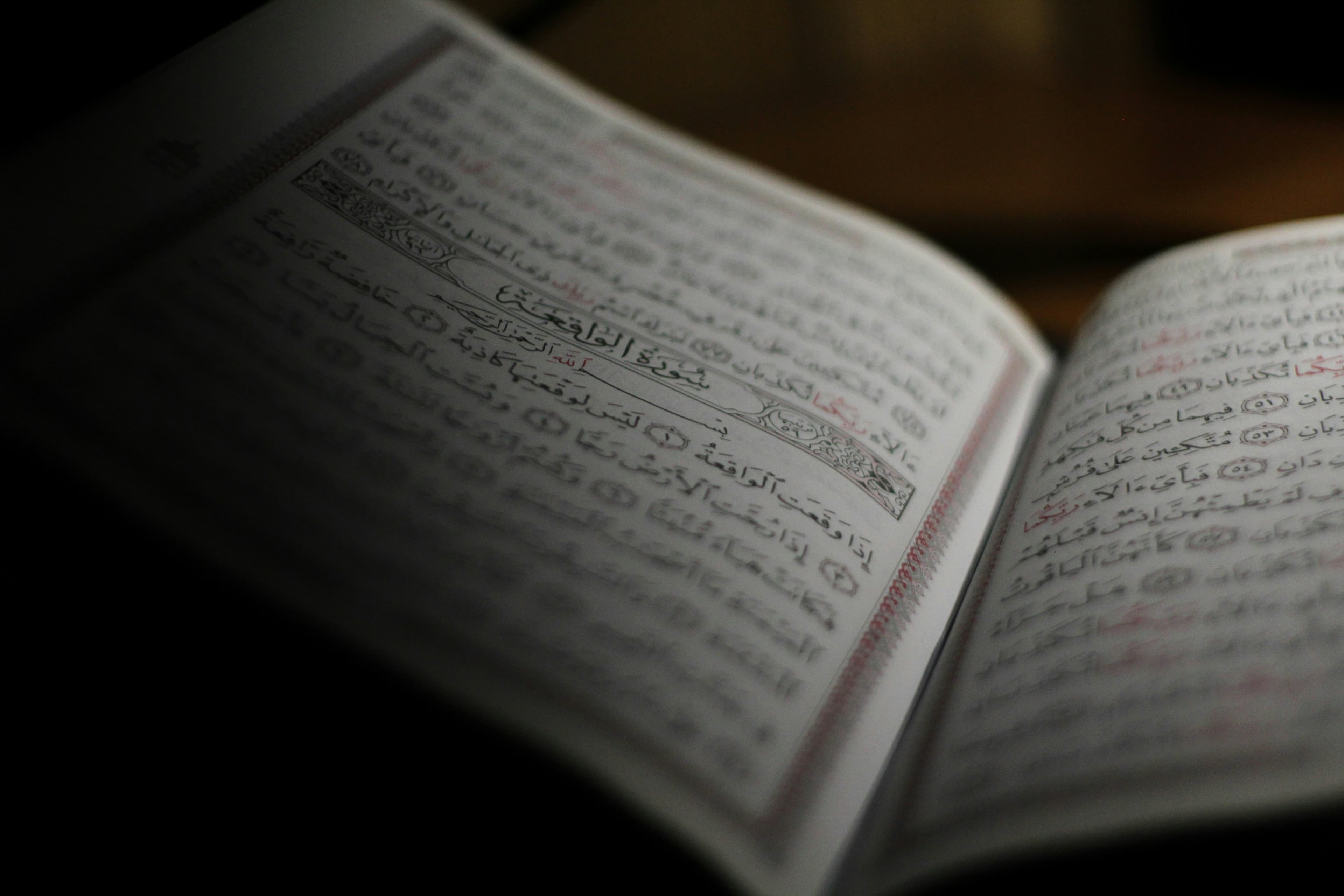
Tajweed (تجويد) literally means "to make better" or "to improve." In the context of Quranic recitation, it refers to the art of reciting the Quran correctly, with proper pronunciation, rhythm, and melody. The science of Tajweed ensures that each letter is pronounced from its correct point of articulation (Makhraj) with its proper characteristics (Sifaat).
The Importance of Tajweed
The Prophet Muhammad (peace be upon him) said: "Verily, Allah loves that when one of you does a job, he does it with excellence (Ihsan)." This principle applies beautifully to the recitation of the Quran. When we recite with Tajweed, we:
- Honor the words of Allah by giving them their due right
- Follow the Sunnah of Prophet Muhammad (PBUH)
- Preserve the original pronunciation as revealed
- Enhance our spiritual connection with the Quran
Fundamental Rules of Tajweed
1. Makharij (Points of Articulation)
There are 17 main points of articulation in Arabic, each producing distinct sounds:
- Al-Jawf (The Hollow): Letters of Madd (ا، و، ي)
- Al-Halq (The Throat): ء، ه، ع، ح، غ، خ
- Al-Lisan (The Tongue): Various positions for different letters
- Ash-Shafatain (The Lips): ف، ب، م، و
Practical Tips for Learning Tajweed
- Start with the Arabic alphabet and proper pronunciation
- Find a qualified teacher for real-time correction
- Practice regularly - consistency is key
- Use audio resources to hear correct sounds
Conclusion
Mastering Tajweed is a lifelong journey that brings immense rewards both in this world and the hereafter. Start with the basics, be patient with yourself, and remember that every effort you make to improve your recitation is an act of worship that Allah appreciates.
About Hira Online Madrasa
Hira Online Madrasa is dedicated to providing quality Islamic education to students worldwide. Our team of qualified scholars and teachers create comprehensive content to help Muslims learn and understand their faith better.